Global food security today is a challenge that goes beyond the ability to produce food. It requires accessibility, efficient distribution, nutritional quality, and an increasingly responsible use of available resources. This issue was at the center of the international agenda, which was relaunched in Rome duringWorld Food Week 2026,promotedby the Food and Agriculture Organization of the United Nations (FAO) and culminating inWorld Food Day,celebrated on October 16. The event brought together institutions, researchers, businesses, and young innovators in the capital to discuss the theme“Innovate Today. Feed Tomorrow,”fostering dialogue on artificial intelligence, sustainable water management, biodiversity conservation, and investment allocation in agri-food supply chains.
The driving force behind the transformation of the agri-food system relies on innovative solutions capable of producing concrete results, butto what extent are the objectives that will turn the announced commitments into measurable and lasting results for the global agri-food system actually achievable?
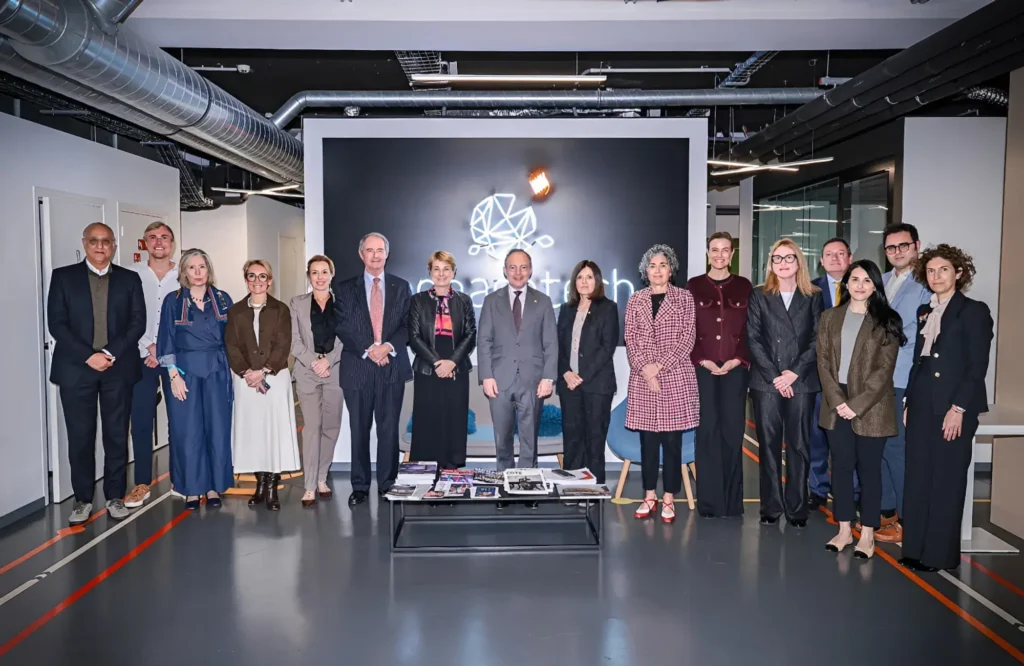
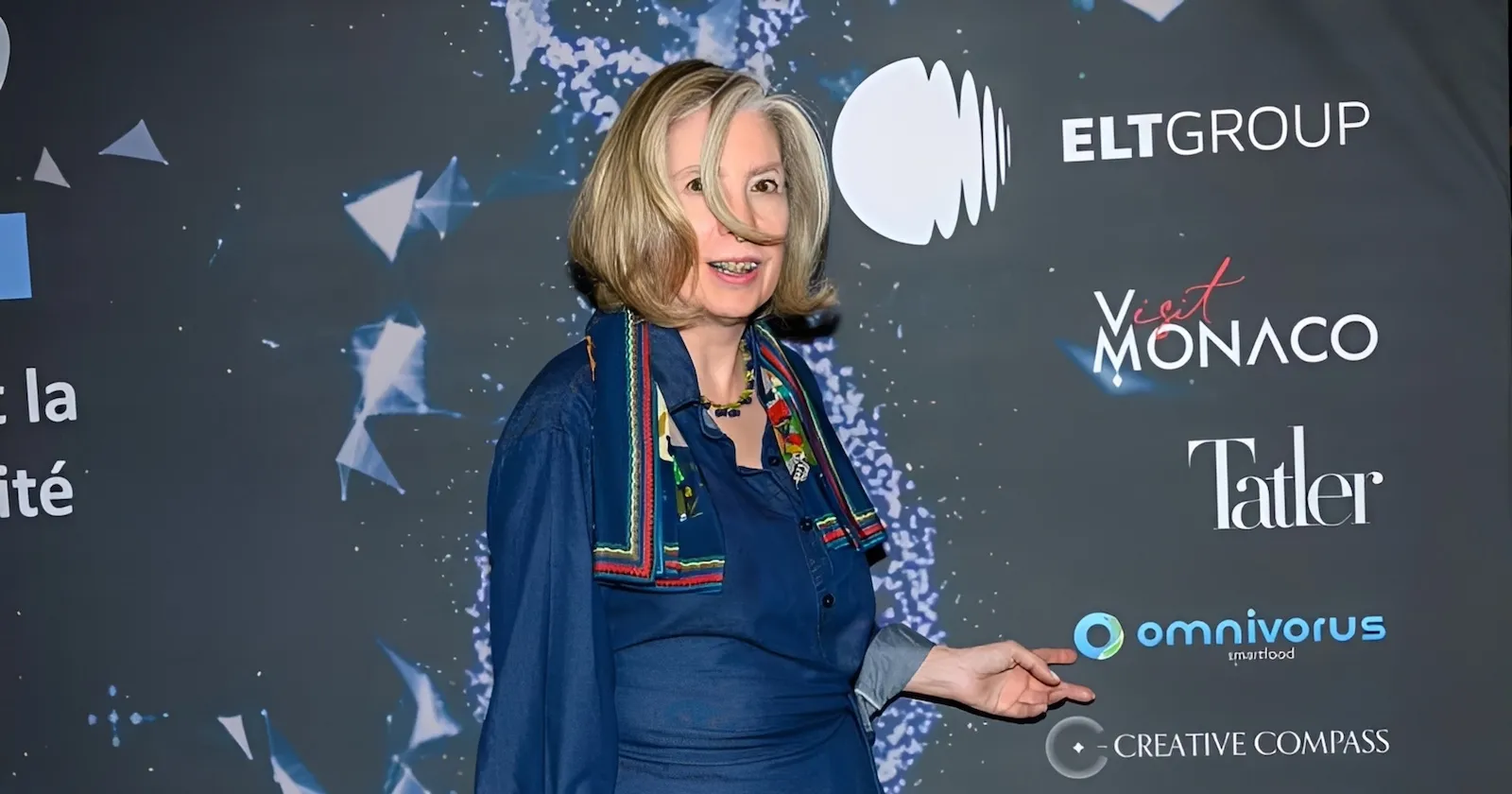
We spoke withSilvia Ruiz-Berdejo Abrisqueta(S.R-B.A.), co-founder—along with Toni González—ofOmnivorus®, one of the most interesting international startups operating in the agri-foodinnovationand formulation sector, launched byMonacoTech, the Principality of Monaco’s officialstartupincubator andaccelerator, founded in 2017 by the Monegasque government in partnership with Monaco Telecom and entrepreneur Xavier Niel.
OCM News: Food sustainability is often assessed in terms of the ecological footprint (Editor’s note: an indicator that measures human consumption of natural resources relative to Planet Earth’s capacity to regenerate them), while nutritional quality, protein content, and the ease of digestion of individual ingredients are more rarely considered together.Why, according to the Omnivorus paradigm®, should these aspects be addressed as parts of a single issue, and what role can biotechnological innovation play?
S.R-B.A.: Food sustainability cannot be measured solely based on its environmental impact. A food must also provide real nutritional value, supply high-quality protein, and be easily absorbed by the body. Otherwise, it does not address the problem in its entirety.
We view health and sustainability as parts of a single system. Biotechnological innovation makes it possible to develop foods with a better nutritional profile, greater protein bioavailability, and lower levels of added sugars or fats—without compromising on taste and while ensuring more environmentally responsible production. Our goal, therefore, is to create foods that are good for people, enjoyable to eat, and respectful of the planet.
OCM News: One of the most complex challenges for afoodtechcompany is transforming a solution developed in the lab into an ingredient that can be produced on an industrial scale and successfully adopted by the market.What are the main strengths—and any obstacles, both technological and industrial—that you currently face in the transition from research to commercialization?
S.R-B.A.:The biggest challenge lies in transforming a promising result obtained in the laboratory into a stable, economically viable product that is easy to manufacture on an industrial scale. In large-scale production, in fact, it is essential to maintain the taste, texture, costs, and quality unchanged. For this reason, we begin by validating the product, then test its production and assess the market response, leading up to its industrialization—a step that is no less important. Themain challenges we are facing involve keeping costs down, sourcing raw materials, and ensuring compliance with regulatory requirements.
OCM News: Theuse of naturally occurring elements, such as algae and other marine resources, in the agri-food supply chain raises the question of how to build supply chains that are truly sustainable, traceable, and scalable, without negatively impacting ecosystems.What is your approach to managing this balance, and what conditions do you believe are necessary for the Blue Economy to become a tangible component of the food transition?
S.R-B.A.:For us, asustainable seafood supply chainmust start with ingredients of verified origin, responsible suppliers, and processes that allow us to trace the origin of every raw material. We therefore focus our attentionon traceability and the responsible use of marine resources. It’s not simply a matter of using them because they represent an attractive alternative, but of ensuring that their cultivation or harvesting does not harm the environment.
Forthe marine economy to play an effective role in the evolution of food systems,I believe three conditions are necessary: reliable and traceable suppliers, scalable processes with low environmental impact, and productsthat are competitive in terms of taste, cost, and nutritional value. Ourmissionis to evolve into a food innovation platform capable of adapting to different brands, markets, and needs, but above all to createcommercially sustainable products capable of generating a real impact on the market and the environment. Among these, we have recently launchedcocoa-freeformulationsand next-generation ingredients forconfectionery,snacks, andbeverages, combining biotechnology and nutritional research.
The lesson that seems to emerge from Omnivorus’s journey® is that the future of food is not built by choosing between innovation, health, and sustainability, but by finding a way to bring them together into a single vision—one capable of transforming scientific research into foods that can win over the market, meet people’s needs, and respect the planet’s limits. Today, the real challenge forfood techis not merely to imagine what we’ll eat tomorrow, but to demonstrate that feeding the world better is a real possibility—provided we innovate thoughtfully, measure results, and never lose sight of the value of food, which is essential to life.