The sea holds a beauty that we often no longer know how to see, and a fragility that we can no longer afford to ignore. Whennature photography goes beyond the wonder of the image, it becomes a tool for awareness and change: it brings us closer to marine biodiversity, reveals the transformations of ecosystems, and invites us to rethink our relationship with nature. At the heart of this reflection lies the Mediterranean—a crossroads of continents,aprecioushabitatfor resident and migratory species, a treasure trove of life and a shared heritage—which today is increasingly exposed to the pressures of human activity.
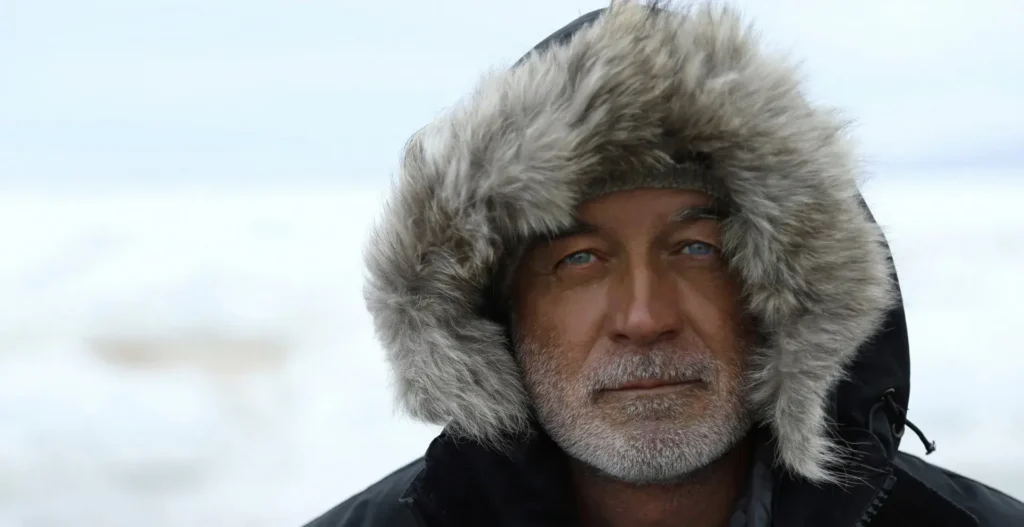
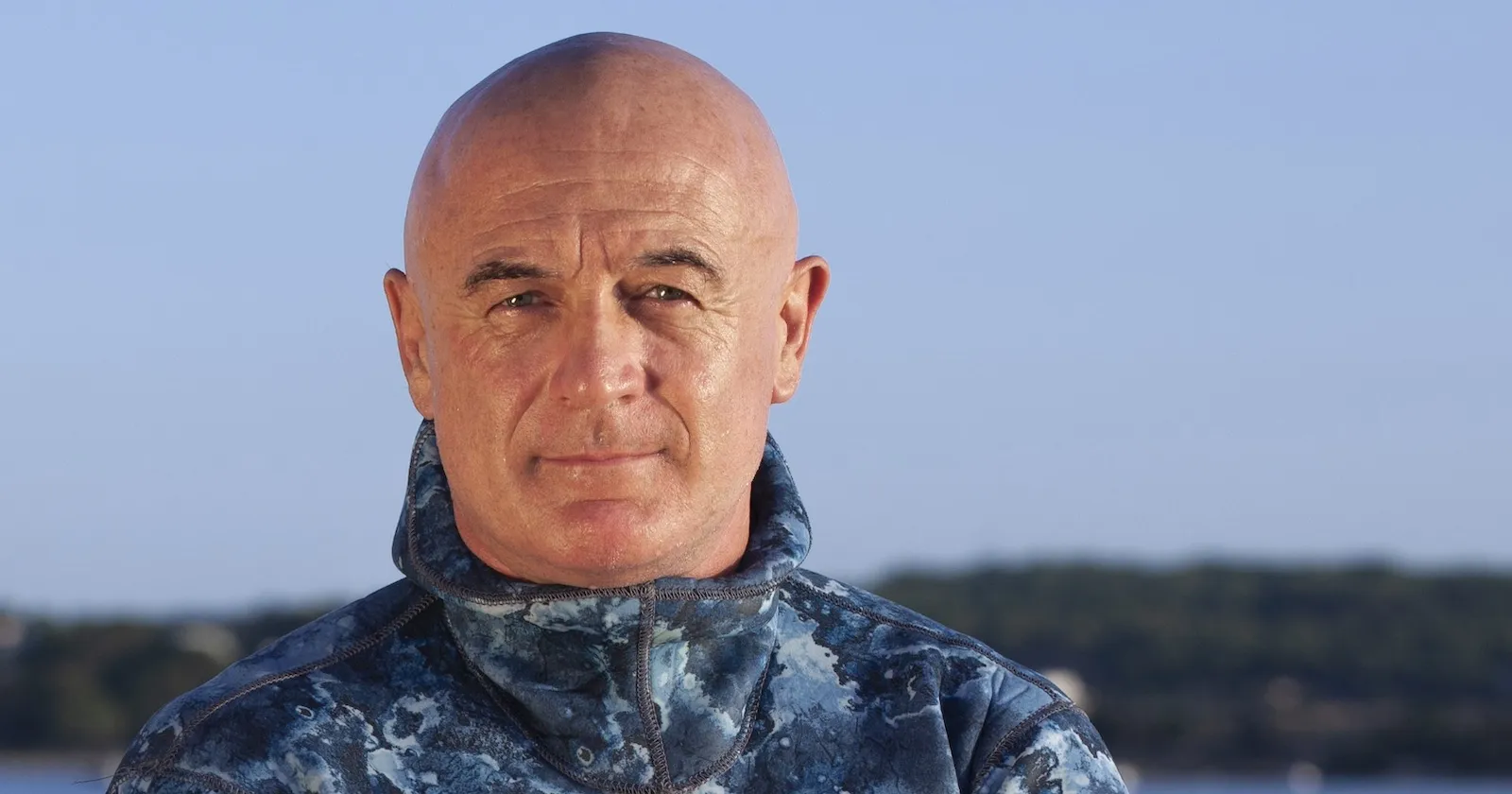
Capturing it through the lens means not only documenting its extraordinary richness, but also fostering a new culture of conservation, in which knowledge translates into responsibility and beauty becomes the first step toward change. When an internationally renownedmarine biologistis behind the lens, theresult is a resounding success! The account byManu San Félix (M.S-F.), a biologist, explorer, and professional photographer forNational Geographic (Editor’s note: a historic American nonprofit organization founded in 1888 in Washington, D.C., to promote geographical and scientific knowledge), takesusbeneath the undulating surface, where the crisis is evident, but where the possibility of regeneration also continues to thrive.
OCM News: After so many years spent observing the Mediterranean and other oceans, what changes have you learned to recognize underwater?
M.S-F: Mostpeople only observe the ocean from the surface. And from up there, it seems as though nothing has changed: it’s always blue, immense, spectacular, relaxing… An image that conveys a sense of immutability. Yet in many places, the changes are dramatic. And today, they’re plain for everyone to see. Since 2009, I’ve been working withPristine Seas, theNational Geographic project, and I consider it a privilege that has allowed me to get to know the ocean like few others have. But it’s also a responsibility: to share what I see—its beauty and its importance, but also its gradual degradation. Over the past three years, I’ve explored numerous coral reefs in the Pacific, in places like Samoa, Vanuatu, Micronesia, Fiji, Palau, the Solomon Islands, Papua New Guinea, Kiribati, and the Marshall Islands. I’m answering this interview now from the waters off Tokelau. It frightens me to find, in so many places, vast expanses of dead or dying coral.
I feel a sense of helplessness and frustration when I think that such an unmistakable sign of the ocean’s health barely reaches those who live far from this reality.
OCM News: Do you think that, to protect the Mediterranean and the oceans, it is more effective to show what we can still save rather than focusing solely on what we are destroying?
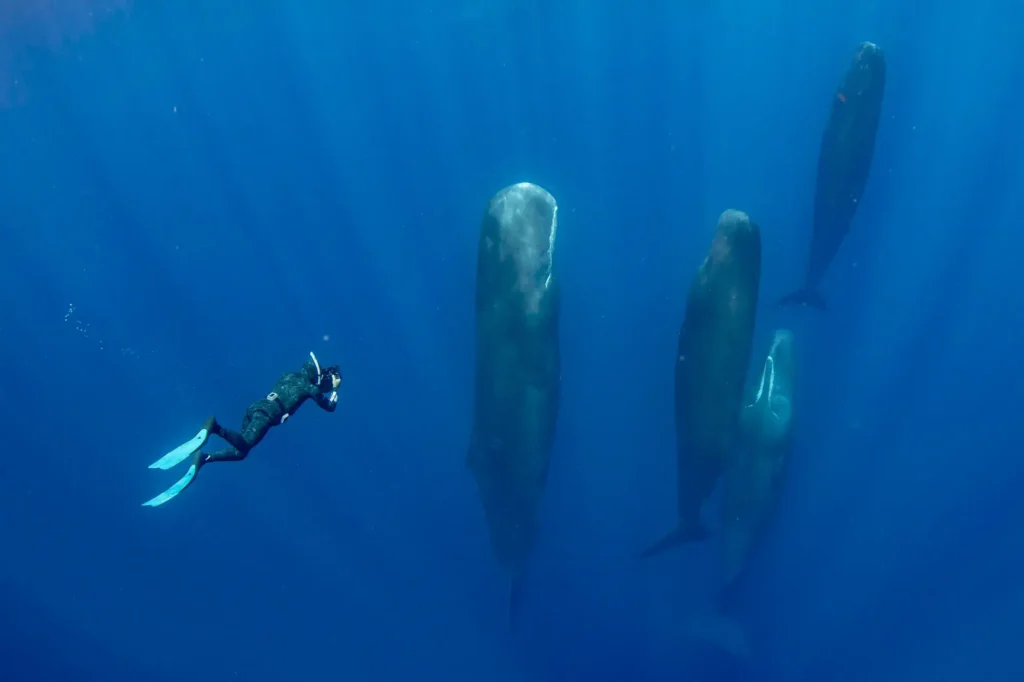
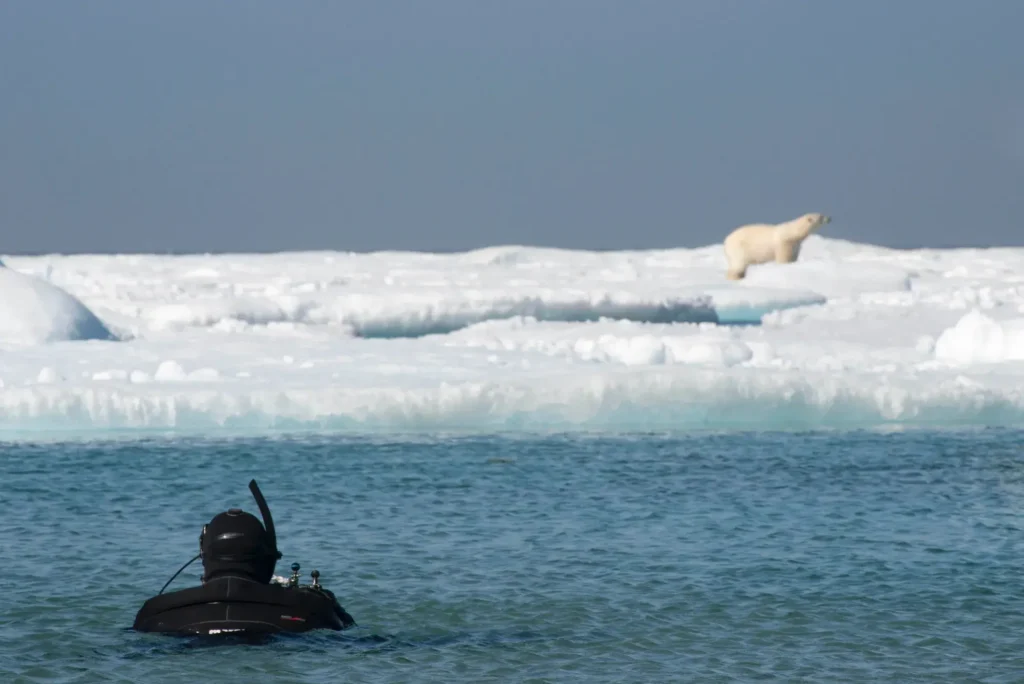
M.S-F: I’vealways wanted my photos to spark curiosity and wonder, to reveal that hidden beauty that so many people will never have the chance to see in person. Through my lens, I try to bring people closer to the ocean.
Over time, I’ve wondered whether I should also show what I’ve been encountering more and more often: the impacts of our activities on species and ecosystems. I believe both are necessary. Beauty gives us a reason to care for the sea; showing its deterioration helps us understand how urgent it is to do so. We can enjoy the sea and use its resources without destroying it. We can fish without depleting fishstocks, sail without devastating the Posidonia seagrass beds, and make a living from the Mediterranean while taking care of what makes possible the lifestyle we love so much and that is part of our culture.
I would therefore like those who view my photographs to feel that they are looking at something extraordinary—something that deserves to be protected—and to understand that even individual personal choices can help preserve it.
OCM News: If you had to choose just one message to convey through your photographs, what would it be?
M.S-F: Ingeneral,my goalis to sound a serious alarm, but one accompanied by concrete reasons to take action. The problems we face are extremely serious, but we already know many of the measures needed to restore the ocean’s health. We can reduce pressures, protect habitats, and allow marine life to regenerate. However, we must move beyond the idea that the ocean is so vast that it possesses inexhaustible resources and can absorb any impact. Today we know that this is not the case—that even the ocean has its limits.
If I had to choose just one message, it would be this:“How easy it is to destroy, and how difficult it is to restore—which is why the most important thing is to protect what we have.” The hope I try to convey stems from the awareness that what we do now is of crucial importance.
Inspired by the wonders of the underwater world—which have guidedManu San Félixsince he first began photographing in 1982—he has dedicated himself to protecting what remains of the Mediterranean, so that nature may regenerate and restore our confidence in our ability to preserve the beauty and life of the sea.***