In the Principality of Monaco, we live on a border where the difference from France is immediately apparent—and not just in terms of taxes. For the Basque Country, it’s the opposite: though divided by the border between France and Spain, the region remains united by a shared culture, deep-rooted traditions, and its ancient language, which can be seen on bilingual signs. For example,“Euskal Herria”is the correct name for the “Pays Basque,” the cross-border cultural and historical region located at the western end of the Pyrenees, overlooking the Bay of Biscay.
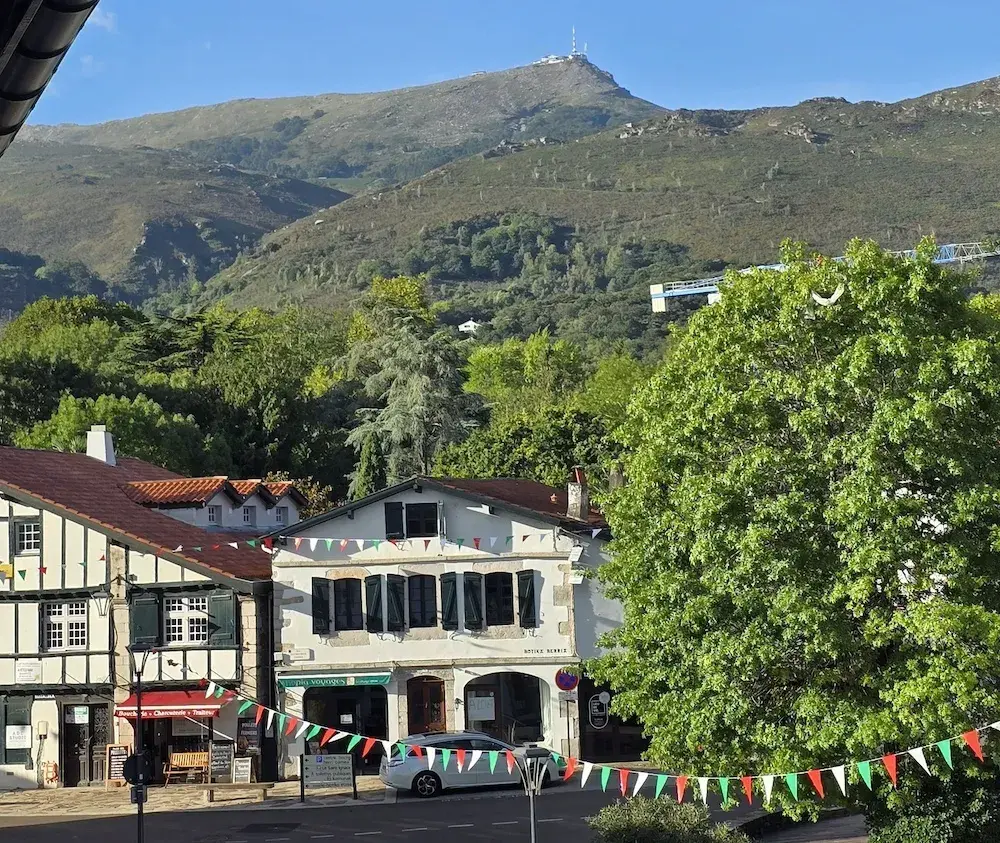
I’m a fan of “tiny tourism”—staying away from the Instagram-famous spots of mass tourism—and this summer I chose the Basque Country as the destination for one of my explorations. Getting there isn’t difficult: the French highway network is extensive and easy to navigate. Heading southwest, you can stop in Toulouse—the city of red brick and aerospace—before heading toward the Atlantic. In the Basque Country, the landscape is rural and relaxing, with neat little villages, whitewashed houses with red or blue window frames, lush green hills, ocean beaches, surfing, and a capricious climate that makes you look to the sun and grab an umbrella.
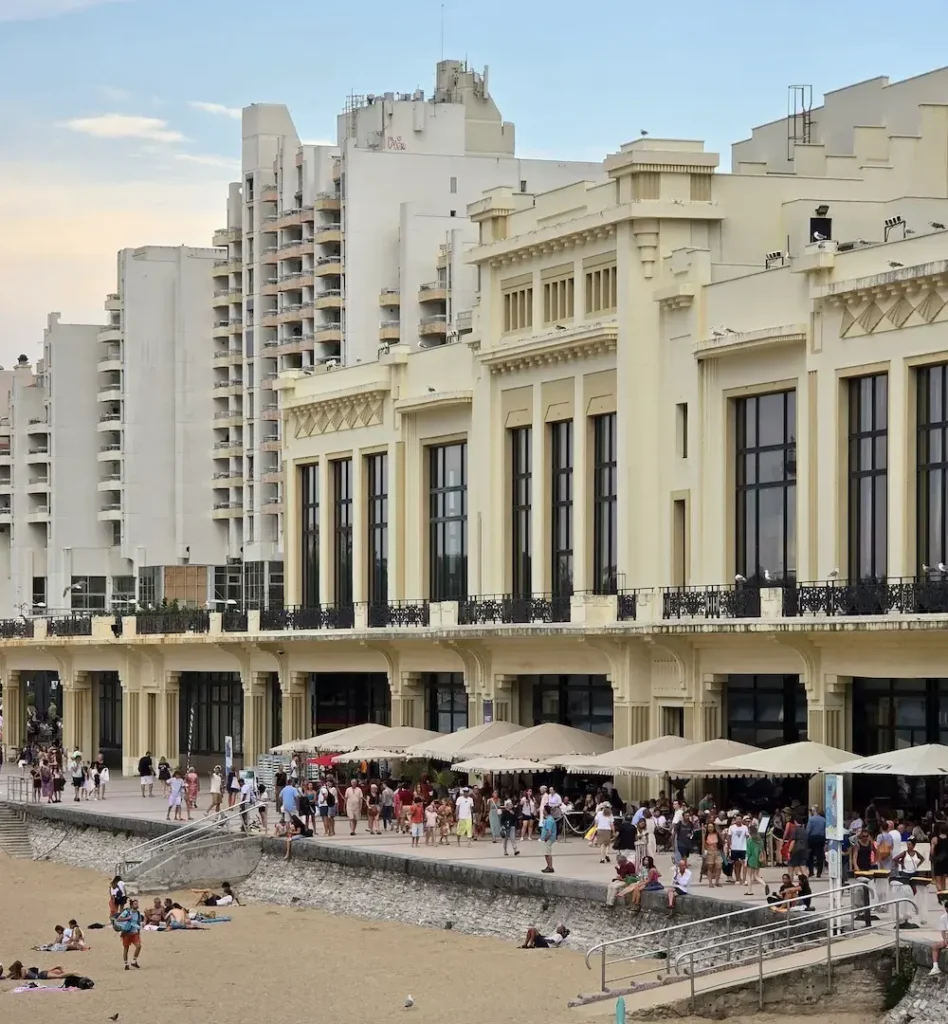
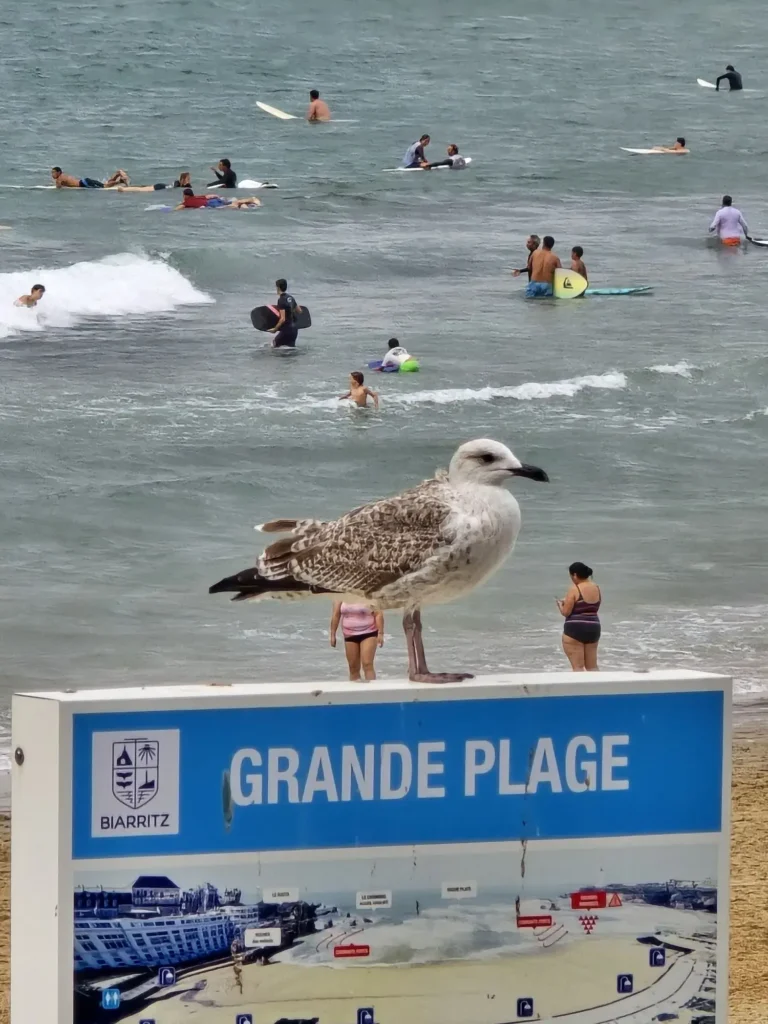
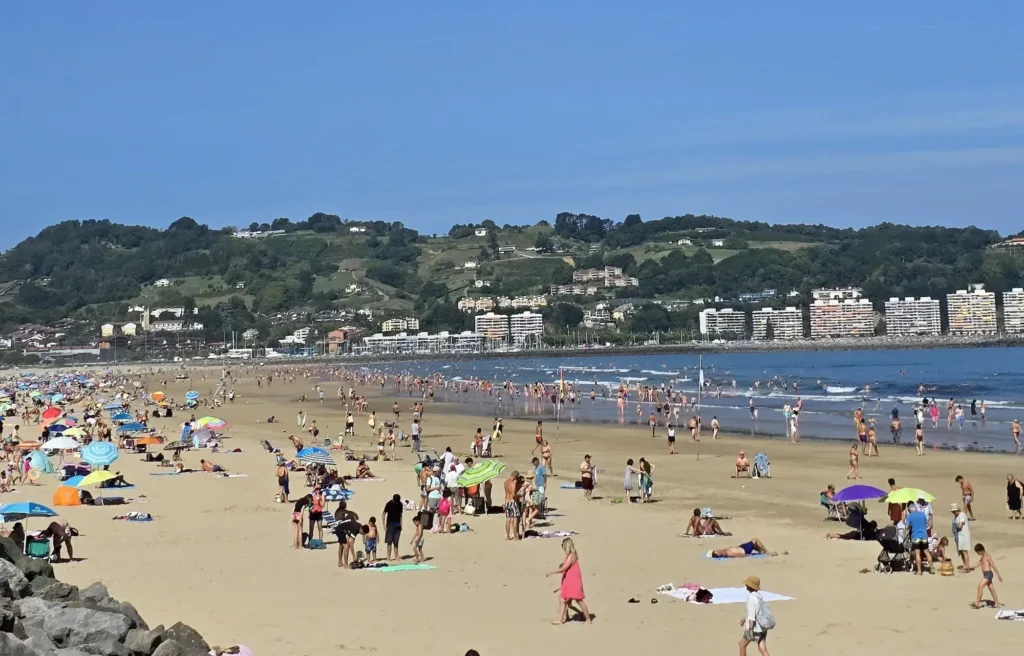
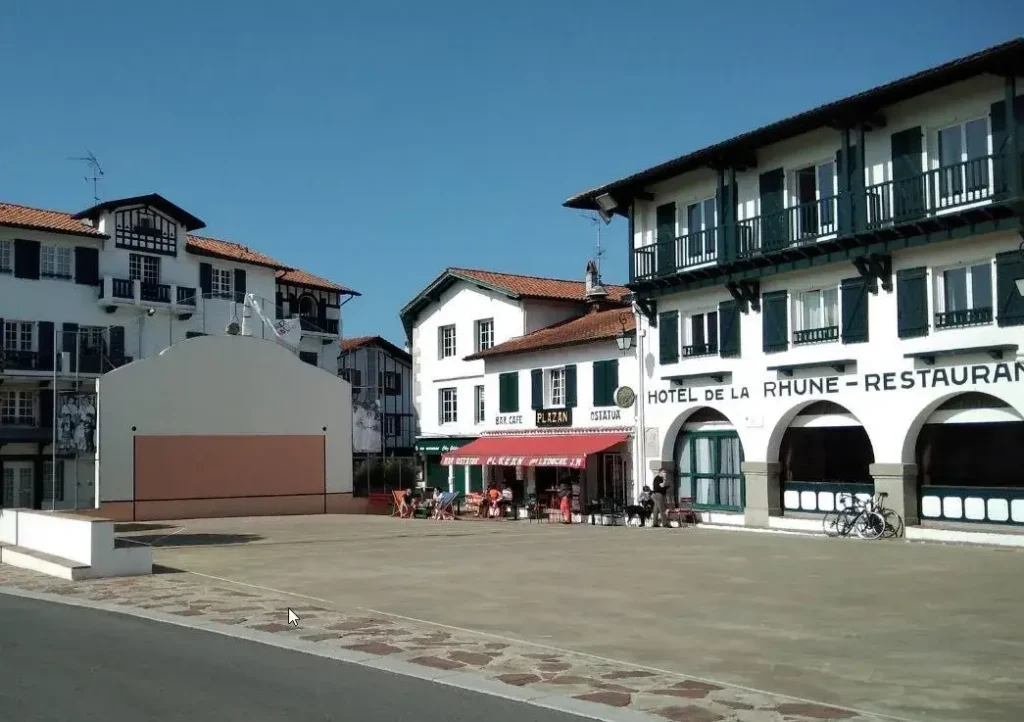
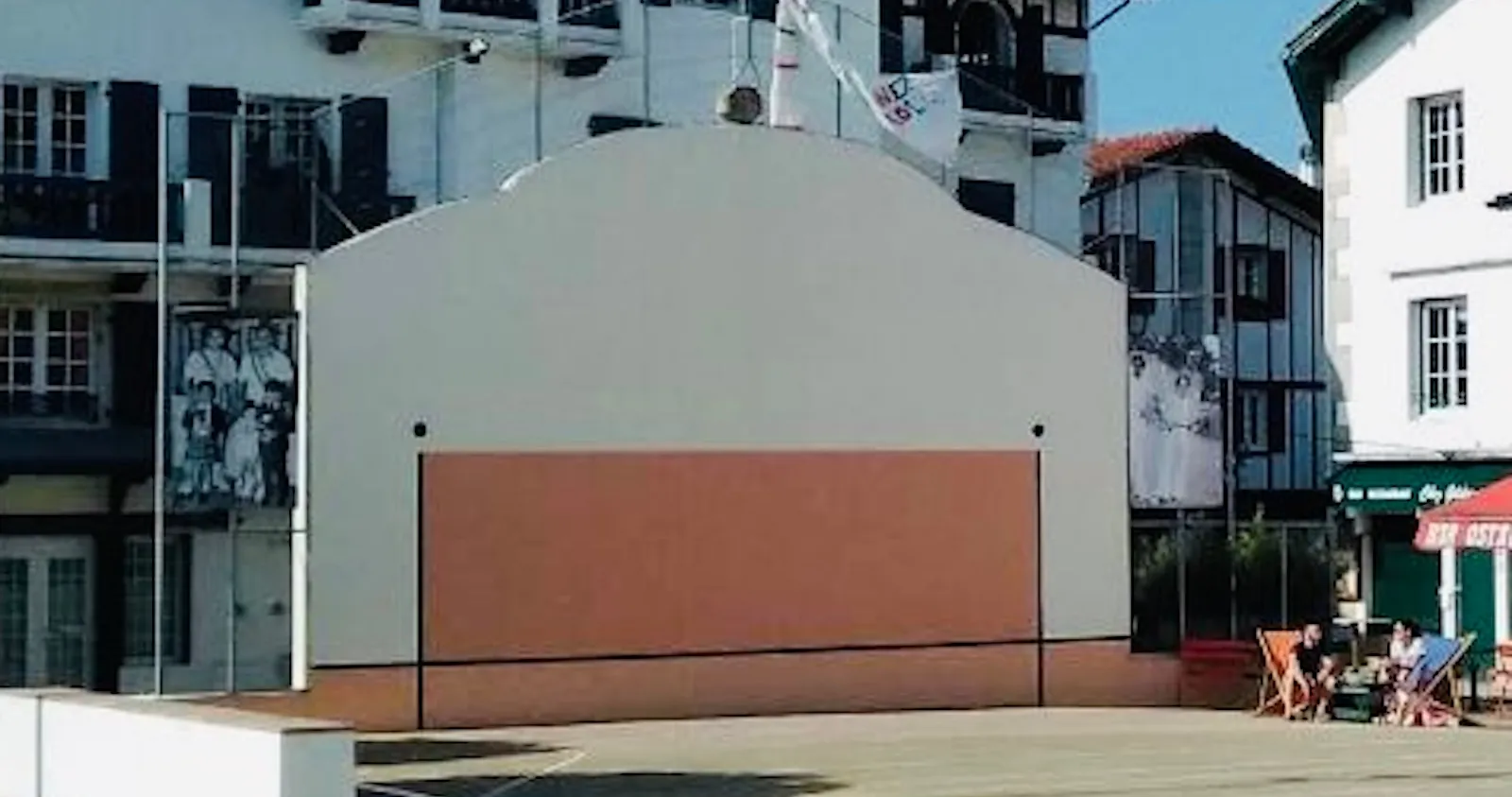
Basque pelota is everywhere: almost every town has its own “fronton,” the high wall where the ball is hit with a short racket or the traditional hooked basket. Watching a match in the square—as I did in Ascain and Guéthary—while sitting in a little café with a cold beer or cider and Cantabrian Sea anchovies on local butter is one of life’s pleasures that I recommend to hedonists like myself. The vast ocean beaches were packed with people in late August. The most famous is the Grande Plage in Biarritz. But the most charming one for me is the beach in Hendaye, reached by driving along the coastal road that hugs the edge of the cliffs. In Saint-Jean-de-Luz, the beach is enormous; in the distance, you can see the Fort de Socoa, which once protected the old town from the sea. And there in Saint-Jean, halfway between Paris and Madrid, on June 9, 1660, in the monumental Cathedral of St. John the Baptist, the royal wedding of Louis XIV and the Infanta of Spain, Maria Theresa of Habsburg, was celebrated. The future Sun King was 22 years old, and the marriage served to ratify theTreaty of the Pyrenees, which put an end to the long Franco-Spanish war. The interior of the church is a triumph of gilded Baroque, and there is a model ship with its sails unfurled suspended above the central nave. An elderly woman sitting in the pew next to me was eager to tell me that the main door at the back of the church was bricked up by order of the King after the wedding procession had left. And that is why one enters through the side door to the left of the altar.
If I had to recommend an off-the-beaten-path spot inthe Basque Country, I’d point to a small open-air spot—little more than a canopy—on the rocks of the Vieux Port beach in Biarritz: it’s called Eden Rock and offers the best sunset in the area, with a view of the sea stacks, including the Rocher de la Vierge, which can be reached via the Eiffel footbridge. A truly oceanic spot where the sudden, torrential rain doesn’t seem to bother anyone there. For us in the Mediterranean, it would have been a storm. For them, it’s just a brief break before heading back outside to enjoy the evening.