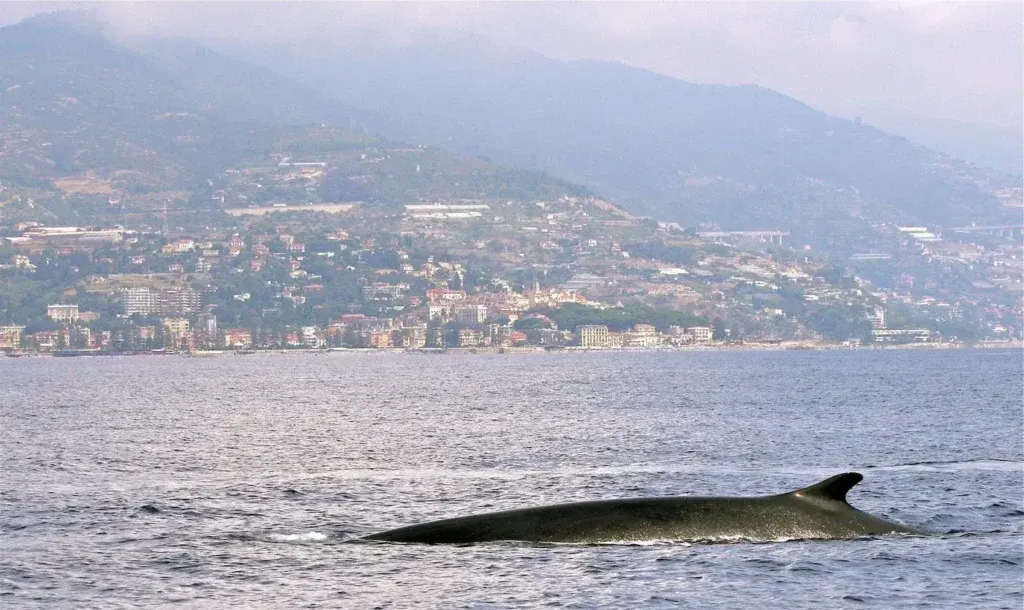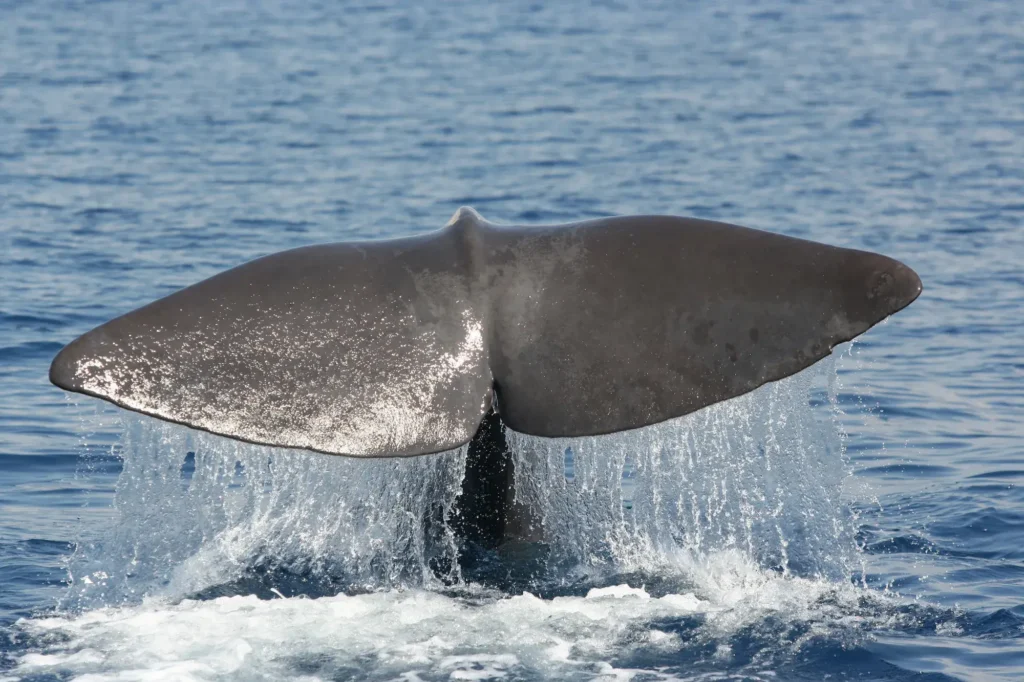

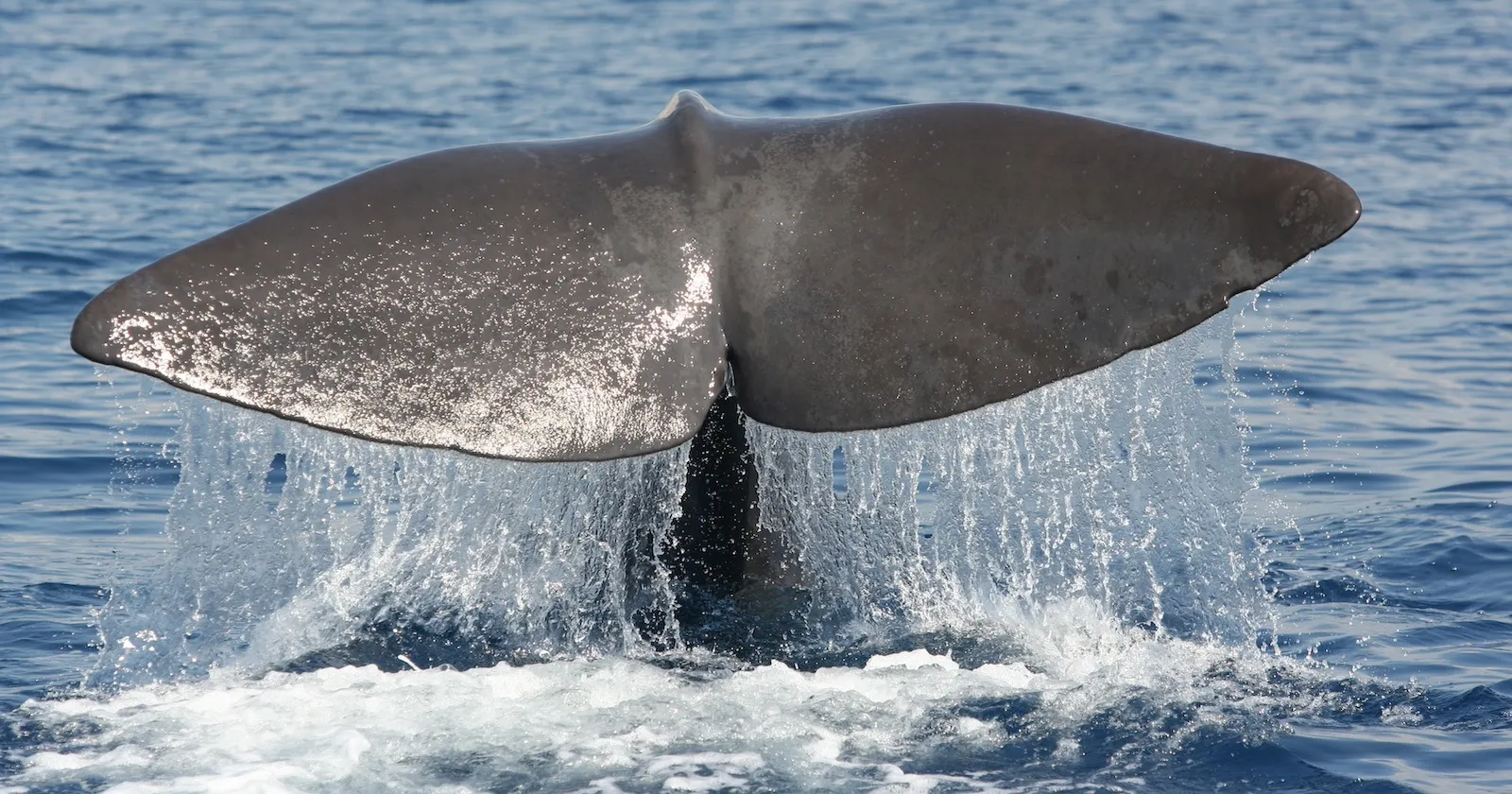
The marine area stretching from the French Riviera to western and eastern Liguria, Tuscany, Corsica, and northern Sardinia is perhaps one of the most extraordinary ecosystems in the entire Mediterranean Sea. This vast quadrilateral largely corresponds to the perimeter ofthe Pelagos Sanctuary for Marine Mammals, a Specially Protected Area of Mediterranean Importance (ASPIM) covering approximately 87,500 km², officially established by the multilateral agreement between France, Italy, and Monaco signed in Rome in 1999, which entered into force in 2002.
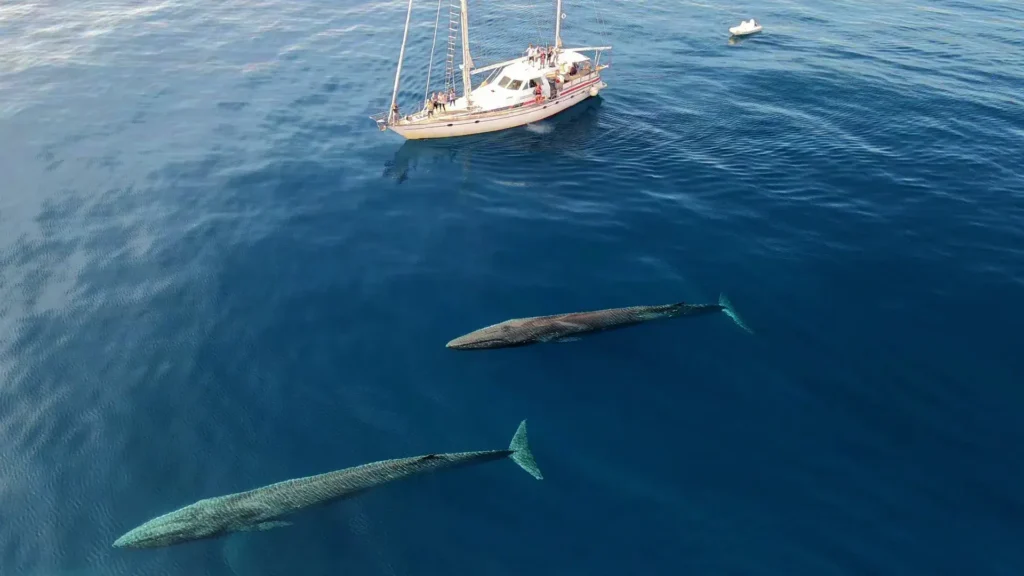
In this vast stretch of ocean, the unique geological features, winds (such as the Mistral), and ocean currents promote the upwelling of nutrient-rich deep waters (Editor’s note: a phenomenon technically known asupwelling), creating an abundant food chain that ranges fromphytoplanktontokrillandsmall- to medium-sized fish—ideal for the feeding, reproduction, and migration of both large and small cetaceans. The conservation of these communities is of crucial biological importance and is driven by profound ecological, scientific, and ethical values.
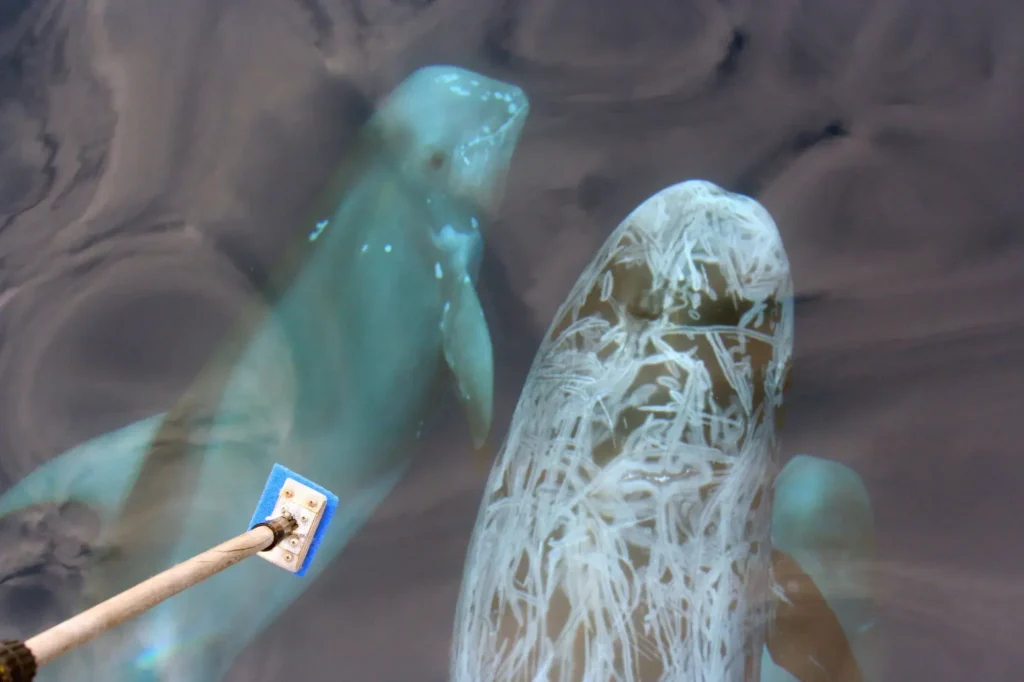
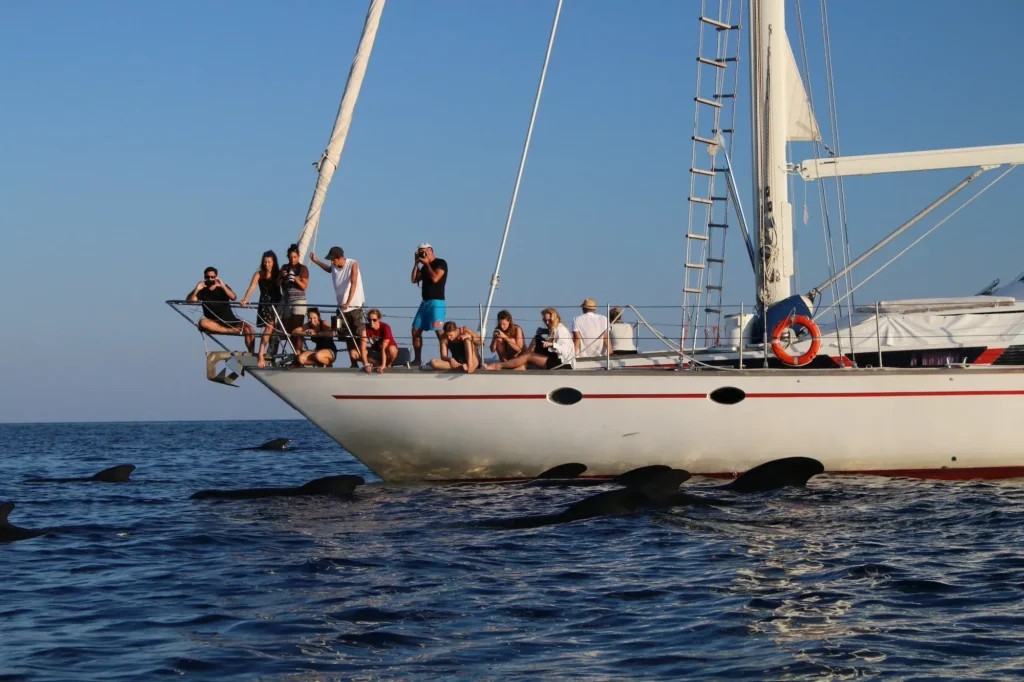
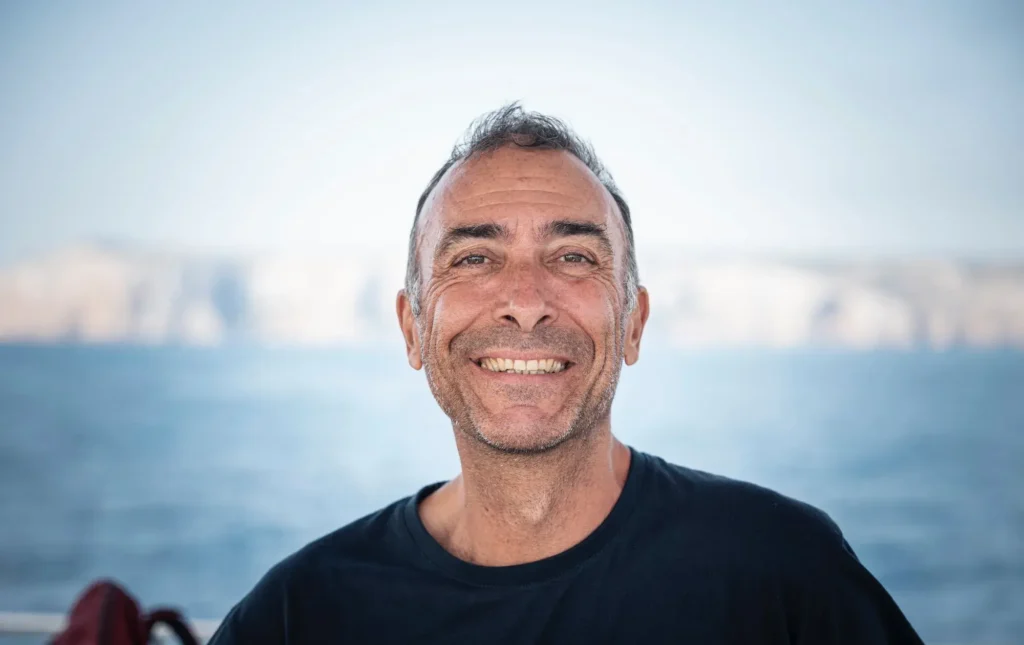
In this context,citizen science(Editor’s note: participatory science) plays a key role in bringing the public closer to research and the protection of the marine environment. Through projects such as theCetacean Sanctuary Researchandthe Ionian Dolphin Project, approximately 7,500 people have participated directly in the study of whales and dolphins in their natural habitat. But how can non-experts contribute directly to scientific research, and how can researchers help the general public understand the importance of their research projects? We discussthis topic withSimone Panigada (S.P.), president ofthe Tethys Research Instituteand Chair ofthe ACCOBAMS Scientific Committee, a biologist with a Ph.D. in Environmental Biology and over thirty years of international experience in marine conservation and the protection of marine mammals, with more than seventy-five publications to his credit, focusing particularly on cetaceans and human impacts on ecosystems.
OCM News: Forty years after the founding of Tethys, which of its initial insights has proven to be the most forward-thinking, and how has the Institute’s research helped to advance our understanding of and protection for cetaceans in the Mediterranean?
S.P.: In1986, Tethys had the insight to study cetaceans in their natural environment, with consistency, scientific rigor, and a Mediterranean and international perspective.
When Tethys was founded, knowledge of Mediterranean cetaceans was still very limited. The vision ofGiuseppe Notarbartolo di Sciara andEgidio Gavazzi—the Institute’s two founders, the former a marine biologist and the latter a nature journalist—was ambitious: to build a solid foundation of scientific knowledge through field research, studying the animals in their natural habitat.
The most forward-thinking insight was the realization that it was not enough to observe individual species or isolated events: it was necessary to study their distribution, behavior, ecology, and threats, thereby creating a scientific foundation for conservation.
Four decades of work have helped expand our understanding of the cetacean populations in the Mediterranean and, from the very beginning, have highlighted the importance of this area asa vital habitat for numerous species. This would eventually lead to the first proposal to establish the Pelagos Sanctuary.
If I had to name the most important legacy of these past forty years, I would say it is having demonstrated that cetacean research is not merely an exercise in acquiring knowledge: it is an indispensable tool for understanding how the Mediterranean works and for determining how to protect it through appropriate conservation measures.
OCM News: What are the main challenges today in ensuring the effective protection of the Pelagos Sanctuary, and how can the new international consortium coordinated by Tethys contribute to the shared and sustainable management of marine biodiversity?
S.P.:Establishing an international, cross-border protected area was a crucial step, but today the priority is to translate the Sanctuary’s recognition into concrete, coordinated, and verifiable measures.
The Pelagos Sanctuary represents a pioneering initiative: it recognizes that the sea and the species that inhabit it do not respect administrative boundaries and that their conservation requires shared responsibility.
The current challenge is not so much to add formal recognitions as it is to make existing ones more effective. Maritime traffic, collisions with cetaceans, underwater noise, recreational boating, and interactions with fisheries require coordinated and measurable actions.
We need to move from an approach based primarily on raising awareness and voluntary initiatives to a system that also includes binding measures, monitoring of results, and clear accountability for all stakeholders involved.
The recently establishedPelagos Consortium—an international project funded bythe Albert II of Monaco Foundationthrough thePelagos Initiativeand coordinated byTethys—represents an important opportunity to strengthen cooperation among institutions, scientific bodies, nongovernmental organizations, and maritime operators by pooling expertise and resources.
OCM News: How can technological advances in cetacean research improve our understanding and protection of marine mammals, transforming scientific discoveries into concrete actions to counter human-induced threats?
S.P.: Technologygreatly expands our observational capabilities, but its true value lies in itsability to reduce threats and guide decision-making, thereby contributing to the conservation of the marine environment. Research has changed profoundlyover the pastforty years. Field observations have been supplemented by tools such as satellite telemetry, passive acoustic systems, drones, and advanced data analysis techniques.Telemetry, in particular, allows us to reconstruct animals’ movements even outside the areas where they are directly observed. This helps identify importanthabitats, movement corridors, and potential overlaps with maritime traffic.
For collisions with boats—one of the most serious threats to large cetaceans—it is essential to combine knowledge of the animals’ distribution, traffic data, and detection and warning tools. Similarly, acoustic monitoring helps us understand exposure to underwater noise.
However, we must not confuse the availability of new technologies with the automatic resolution of problems. A detection system is useful if it works under real-world conditions, provides adequate advance warning, and integrates with effective operating procedures.
The crucial step is the transition from science to policy: the findings must be translated into concrete measures, such as reducing ship speeds in high-risk areas, improving route planning, and managing noise sources more effectively.
As Simone Panigada reminds us, science and technological innovation are essential tools for understanding and protecting marine biodiversity, but their value lies in the ability to translate data into effective action. Specifically, the goal is to promote integrated management ofthe Pelagos Sanctuary—one that reconciles environmental protection, maritime spatial planning, and economic activities—by transforming international commitments into concrete and verifiable measures. Tethys’s experience demonstrates the central role of independent research, scientific continuity, and the training of new generations. Indeed, it is only through public outreach and direct engagement that awareness of the value of marine ecosystems can be raised. The challenge for the future is to transform knowledge into collective responsibility and a genuine culture of conservation.