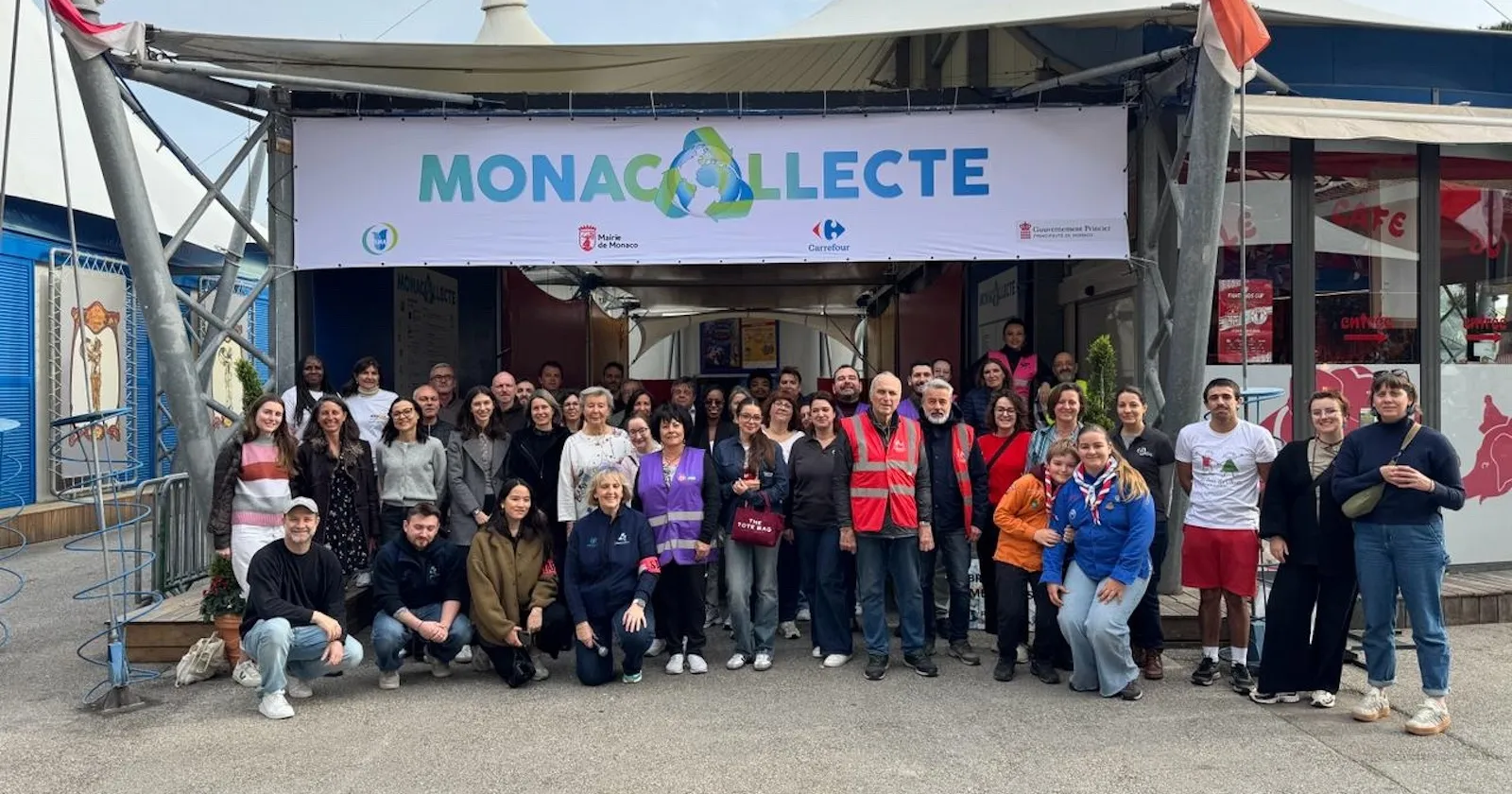
Located in the heart of one of Europe’s most densely populated areas (more than 18,000 inhabitants per km²), thePrincipality of Monacohas made responsible waste management a strategic priority, transforming an environmental challenge into a model of innovation and sustainability. This commitment is reflected in the vision and direct leadership of Sovereign Prince Albert II, supported by the determined action ofthe Gouvernement Princier (Prince’s Government), through state-of-the-art infrastructure, rigorous policies, and community engagement initiatives.
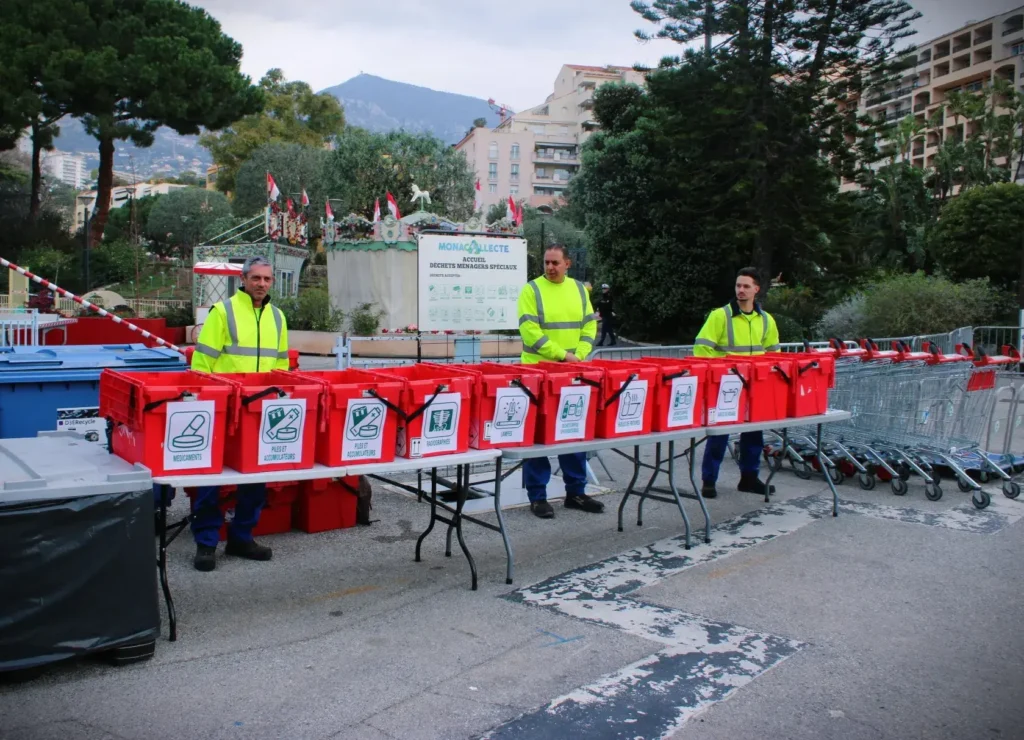
The goal is ambitious: to build a shared culture of recycling and reuse, accelerating the transition toward the elimination of single-use plastics by 2030. That is why the government’s commitment continues 365 days a year, in collaboration with theSociété Monégasque d’Assainissement (SMA), pursuing a structured and ongoing strategy that integratesgreen technology, next-generation tools, and targeted regulatory measures, with the goal of optimizing collection, enhancing waste recovery, and progressively reducing the environmental impact of urban life. Charity events, such asMonacollecte (Editor’s note: the next edition will take place on March 19 and 20, 2027, at the Chapiteau in Fontvieille), and fun awareness-raising initiatives are some of the key actions aimed at promoting a widespread culture of recycling.
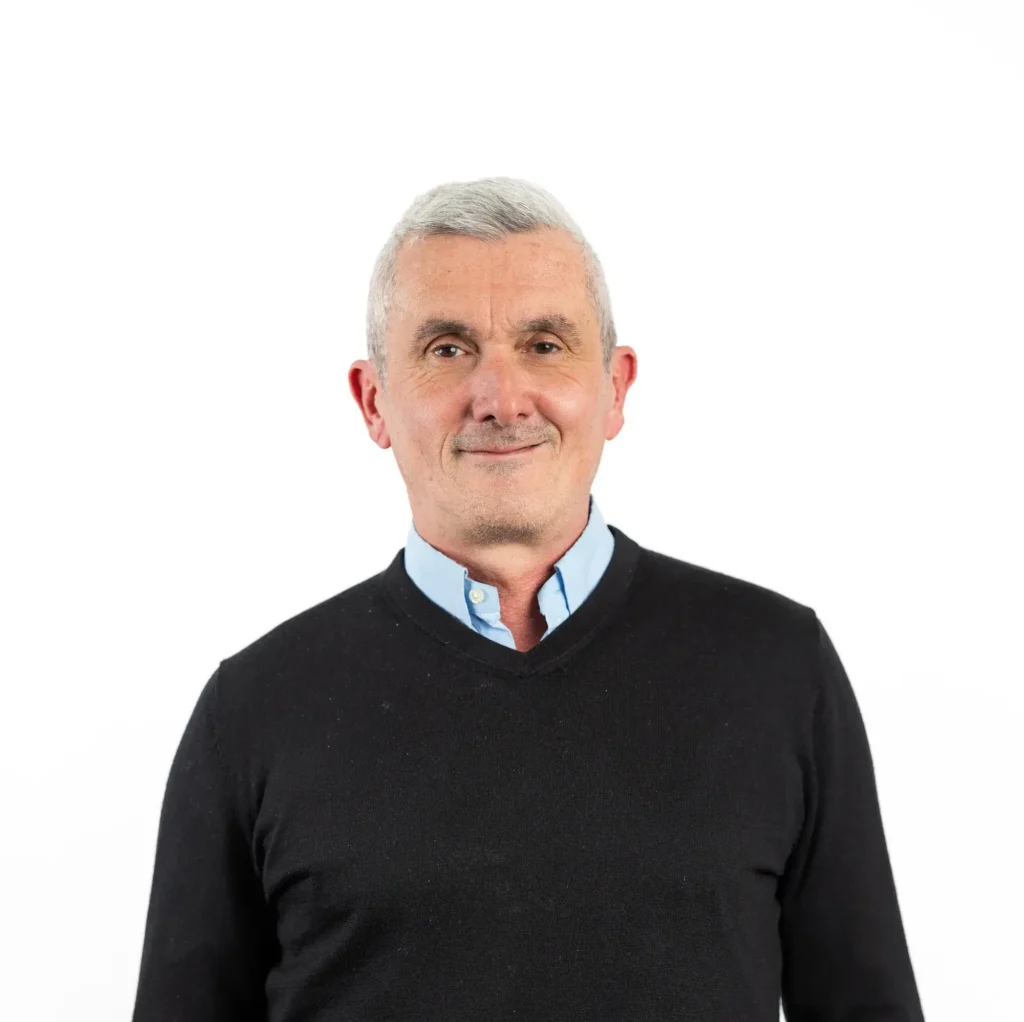
Nothing is left to chance in this process, asStéphane Pasquetti(S.P.), head of the waste prevention and recycling division atSMA, points out in response to our brief but insightful interview on how to promote an ecological transition that begins even before an item ends up in the trash. This is a particularly timely topic, as we are currently celebratingEuropean Waste Reduction Week 2026(EWRW).
OCM News:How can we take concrete steps to encourage more responsible consumption and reduce waste production, while striving to eliminate the very concept of “waste” at its source?
S.P.: Ourmain focusis onencouraging everyone to rethink their consumption habits and become more aware of the value of the resources used to produce the goods we buy and use. Through SMA, Monaco aims to translate this message into tangible actions: awareness-raising workshops, educational and outreach activities, initiatives to combat food waste, and the promotion of best practices in recycling, packaging reduction, and waste minimization. Every daily choice—from purchasing to repairing, from reusing to disposing—has a direct impact on the conservation of natural resources.
By providing residents, businesses, and the school community with concrete ideas for action, we aim to promote more responsible consumption patterns and a structural, long-term reduction in waste generation.
OCM News:Why are the reuse, recovery, and recycling of items (e.g., batteries, light bulbs, WEEE—Waste Electrical and Electronic Equipment, paints, solvents, and gas cylinders) particularly valuable?
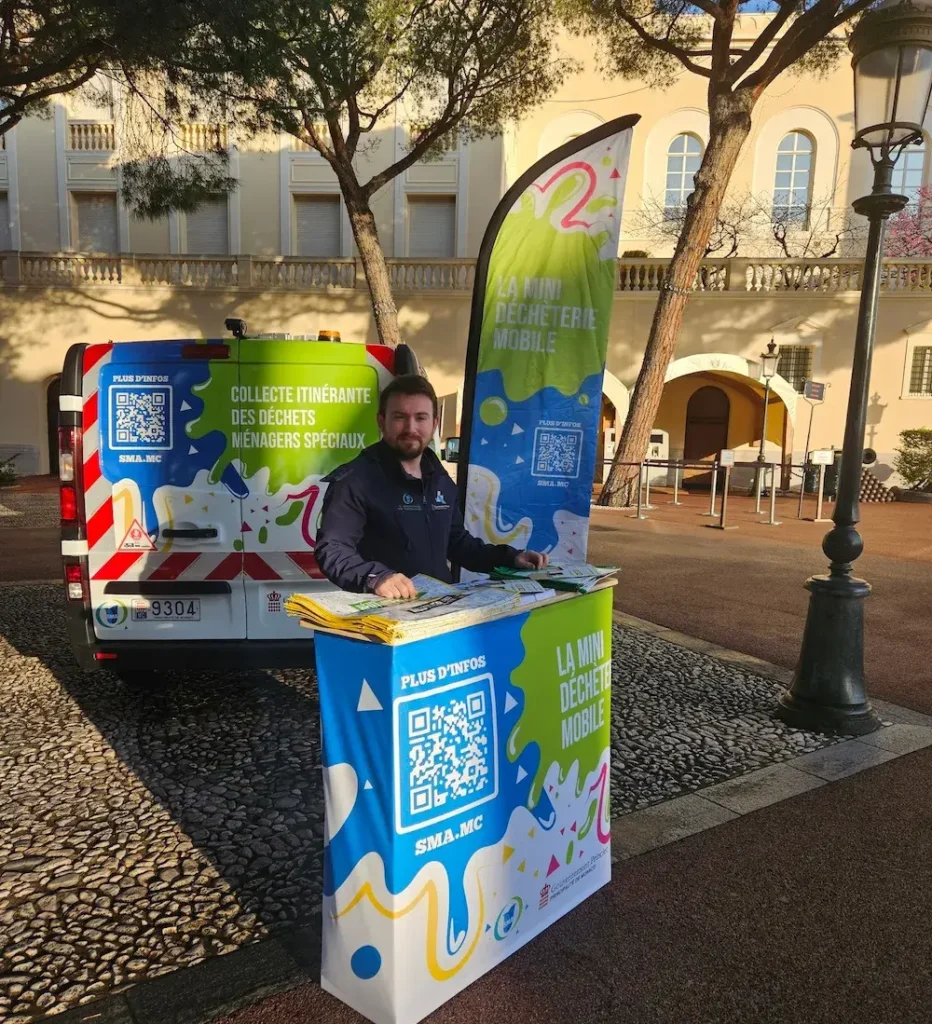
S.P.: Thecategories of waste you mentioned are directed to specific treatment streams, tailored to the nature and characteristics of each type of waste, which are essential for protecting the environment and safeguarding public health. It is no coincidence that SMA also organizes a monthly mobile collection center that rotates through the Principality’s various neighborhoods. This community-based solution allows residents to drop off their special waste right near their homes, promoting proper and responsible waste management and encouraging active citizen participation. This approach invites everyone to recognize the value of resources as a precious asset and to adopt more mindful and sustainable consumption patterns.
OCM News: Global change stems from millions of small, invisible actions: What is our everyday “superpower” for turning waste into a resource?
S.P.: Citizenscan make a tangible contribution by prioritizing the donation and reuse of goods, while local charitable organizations play a vital role in facilitating the recovery of items still in good condition and ensuring they are given a second life. This is precisely the spirit behindMonaCollecte, whichwill bring together various local charities committed to collecting items donated by citizens, including clothing, shoes, household linens, books, dishes, and other goods that are still usable. The ultimate goal is not only to raise collective awareness but, above all, to offer everyone simple and practical tools to translate environmental awareness into virtuous, everyday behaviors.
In a global context where municipal solid waste generation continues to rise at a faster-than-expected rate—with an estimated 3.86 billion metric tons per year by 2050 (sources:World Bank Group)—a 50% increase from the current 2.56 billion—initiatives such as those described by Stéphane Pasquetti are becoming increasingly essential, transforming environmental responsibility from a stated goal into a concrete and shared commitment.